
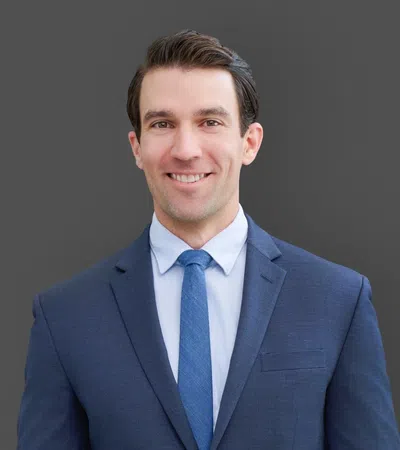
Craig Paul Shul, MD
Philosophy of Care
"My philosophy begins with a simple question: what has arthritis taken from you, and what do you want to get back? The answer shapes everything - joint replacement is not a decision that anyone should rush into or take lightly. Many patients arrive having already been told they need surgery. However, if there are options that have not been exhausted, such as injections, physical therapy, activity modification or a partial replacement, when only a part of the joint is affected, we will explore them seriously. I will only recommend surgery when I genuinely believe it is your best path forward. When surgery is the right answer, I will bring a level of precision that every person deserves."
Expertise Overview
Dr. Craig Shul specializes in hip and knee replacement, including direct anterior total hip replacement, total and partial knee replacement and complex revision surgery. He uses minimally invasive and muscle-sparing techniques along with robotic-assisted technology, computer navigation and AI-guided planning to tailor surgery to each patient's anatomy and needs.
For appropriate candidates, Dr. Shul offers outpatient joint replacement with same-day discharge and multimodal, narcotic-free pain management. He also treats complex cases, including failed prior replacements and patients who may have previously been told they are not candidates for surgery. His approach focuses on optimizing each patient's modifiable risk factors while using specialized techniques and technology to expand treatment options.

Experience in Orthopedic Surgery
Dr. Craig Shul completed advanced fellowship training in adult total joint reconstruction after an orthopedic surgery residency at the University of Maryland/Shock Trauma, one of the nation's leading orthopedic training programs. His experience spans the full spectrum of joint replacement care, from treating advanced arthritis to managing complex cases requiring revision surgery.
His training has been shaped by the rapid evolution of joint replacement over the past decade. Today, successful joint replacement is not simply about replacing a damaged joint. It involves patient-specific planning, precise surgical execution and a recovery strategy designed around the individual patient. Dr. Shul incorporates robotic-assisted technology, computer navigation and AI-guided planning to better understand each patient's anatomy and execute a surgical plan with precision.
This same focus extends to how surgery is performed and how patients recover. Minimally invasive and muscle-sparing techniques allow Dr. Shul to minimize disruption to surrounding tissues, while enhanced recovery protocols, multimodal narcotic-free pain management and outpatient joint replacement can help appropriate patients return home the day of surgery and recover in their own environment.
Because Dr. Shul trained during the era when these technologies and recovery protocols became an integral part of joint replacement care, they are incorporated into his practice from the outset rather than added as optional tools. This combination of specialized reconstruction training, modern technology and experience with complex cases allows him to tailor treatment to each patient's anatomy, goals and circumstances.
Areas of Expertise
- Hip Replacement Surgery
- Knee Replacement Surgery
- Revision Joint Replacement
- Adult Joint Reconstruction
- Minimally Invasive and Muscle Sparing Surgery
- Robotic-Assisted Joint Replacement
- Complex Hip & Knee Conditions
- Partial Knee Replacement
Fellowship
Anderson Clinic Post-Graduate Medical Education Foundation
Residency
University of Maryland/Shock Trauma
Medical Degree
University of Nevada, Reno School of Medicine

A Note to Patients Who Have Been Told No
Many patients with a higher body weight have been told they must lose a significant amount of weight before surgery can be considered, sometimes an amount that isn't realistic given how much pain limits their ability to move. That blanket approach isn't always supported by the evidence, and it leaves real patients suffering longer than necessary.
I evaluate every patient as an individual. That means an honest conversation about where the risks actually lie, what we can do to mitigate them, and whether surgery is appropriate now. For many patients who were previously turned away, it is. Complex cases require more preparation and more precision. That's what I'm trained for.